
Interpersonal Intelligence: The Essential Skill for Strong Relationships, Career Growth, and Emotional Success
October 8, 2025
What Is Naturalist Intelligence? Meaning, Traits, Careers, and Real-Life Examples
October 10, 2025Intrapersonal Intelligence Explained: Meaning, Examples, Benefits, and How to Strengthen Your Inner Self-Awareness
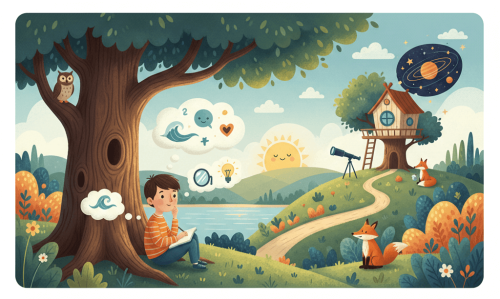
In a world that rewards quick reactions, constant connection, and visible achievements, one of the most powerful forms of intelligence often goes unnoticed. It doesn’t show up on standardized tests. It doesn’t demand attention in a group setting. Yet it shapes every decision you make, every relationship you build, and every goal you pursue.
Intrapersonal intelligence is the ability to understand yourself deeply and accurately.
If you’ve ever wondered why some people seem grounded under pressure, clear about their goals, or aware of their emotional triggers, you’re looking at intrapersonal intelligence in action.
What Is Intrapersonal Intelligence?
Intrapersonal intelligence is the capacity to understand your own thoughts, emotions, motivations, strengths, and weaknesses. It is one of the intelligences identified in Howard Gardner’s Theory of Multiple Intelligences.
Someone with strong intrapersonal intelligence can:
- Identify their emotions accurately
- Understand why they feel a certain way
- Recognize personal values and beliefs
- Reflect on their behavior
- Set meaningful, realistic goals
- Make decisions aligned with their inner compass
Intrapersonal Intelligence in the Theory of Multiple Intelligences
Howard Gardner introduced the Theory of Multiple Intelligences in 1983, proposing that intelligence includes several distinct types beyond traditional IQ.
| Type of Intelligence | Core Ability | Example |
|---|---|---|
| Linguistic | Word use and language | Writing, storytelling |
| Logical-Mathematical | Reasoning and numbers | Problem-solving |
| Interpersonal | Understanding others | Leadership, teamwork |
| Intrapersonal | Understanding oneself | Self-reflection, goal setting |
Characteristics of Strong Intrapersonal Intelligence
- Deep Self-Awareness – They identify emotional states clearly.
- Clear Personal Values – Decisions align with internal principles.
- Internal Motivation – Goals come from meaning rather than pressure.
- Reflective Thinking – They evaluate experiences regularly.
- Emotional Regulation – They manage reactions effectively.
- Comfort with Solitude – Alone time is productive.
- Realistic Self-Assessment – Strengths and weaknesses are acknowledged.
Real-Life Examples of Intrapersonal Intelligence
1. The Reflective Student
A student recognizes procrastination stems from fear of failure and adjusts study strategies.
2. The Emotionally Aware Leader
A manager notices stress-driven frustration and communicates more thoughtfully.
3. The Career Changer
A professional reflects on personal values before transitioning into meaningful work.
Why Intrapersonal Intelligence Matters
- Better Decision-Making
- Improved Mental Health
- Stronger Relationships
- Career Alignment
- Effective Leadership
Intrapersonal vs. Interpersonal Intelligence
| Intrapersonal Intelligence | Interpersonal Intelligence |
|---|---|
| Understanding oneself | Understanding others |
| Self-reflection | Empathy |
| Internal clarity | Group awareness |
10 Ways to Develop Intrapersonal Intelligence
- Practice daily reflection
- Keep a journal
- Identify core values
- Monitor emotional triggers
- Set meaningful goals
- Practice mindfulness
- Seek honest feedback
- Expand emotional vocabulary
- Spend intentional time alone
- Work with a coach or therapist
Benefits Across Life Areas
| Life Area | Impact |
|---|---|
| Personal Growth | Clear direction and purpose |
| Mental Health | Reduced emotional confusion |
| Career | Strategic decision-making |
| Leadership | Authentic influence |
FAQs About Intrapersonal Intelligence
What is a simple definition of intrapersonal intelligence?
It is the ability to understand your own emotions, motivations, strengths, weaknesses, and goals.
Can intrapersonal intelligence be improved?
Yes. Through journaling, mindfulness, reflection, and feedback, self-awareness can grow significantly.
Is intrapersonal intelligence the same as emotional intelligence?
It overlaps with emotional intelligence, particularly self-awareness and self-regulation, but it is not identical.
Can children develop intrapersonal intelligence?
Yes. Encouraging reflection and emotional expression helps nurture it from a young age.
Reflective Prompts
- What motivates me more: recognition or meaning?
- What situations consistently drain my energy?
- What values guide my decisions?
- When did I last act against my own values?
- What kind of life feels aligned with who I truly am?