
Musical Intelligence Explained: How to Develop Your Musical Mind
October 8, 2025
Intrapersonal Intelligence Explained: Meaning, Examples, Benefits, and How to Strengthen Your Inner Self-Awareness
October 10, 2025Interpersonal Intelligence: The Essential Skill for Strong Relationships, Career Growth, and Emotional Success
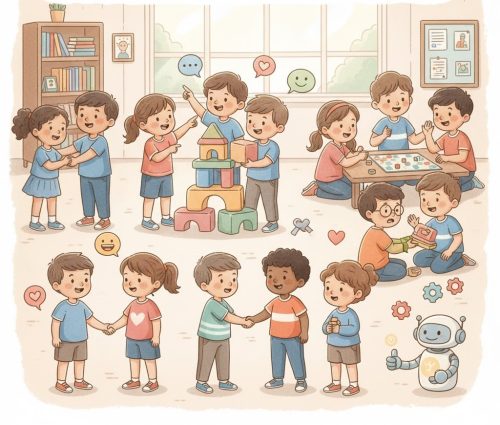
In today’s fast-paced, hyperconnected world, technical skills alone are no longer enough. The ability to understand people, build trust, communicate clearly, and resolve conflicts effectively has become one of the most valuable human capabilities. This ability is known as interpersonal intelligence—and it plays a central role in both personal fulfillment and professional success.
Whether you’re a parent nurturing a child’s development, a manager leading a team, a student preparing for the workforce, or simply someone who wants healthier relationships, understanding interpersonal intelligence can transform the way you interact with others.
This comprehensive guide explores what interpersonal intelligence is, why it matters, how it differs from emotional intelligence, and practical strategies you can use to strengthen it starting today.
What Is Interpersonal Intelligence?
Interpersonal intelligence is the ability to understand and interact effectively with other people. It involves sensitivity to others’ moods, feelings, motivations, and intentions—and the skill to respond appropriately.
The concept comes from psychologist Howard Gardner’s Theory of Multiple Intelligences, which suggests that intelligence is not limited to logical or linguistic ability. Instead, humans possess different types of intelligence, and interpersonal intelligence is one of them.
People with strong interpersonal intelligence typically:
- Communicate clearly and confidently
- Read body language and tone accurately
- Show empathy and emotional awareness
- Navigate conflicts constructively
- Build strong networks and relationships
- Influence and inspire others
Why Interpersonal Intelligence Matters More Than Ever
1. Career Advancement
Employers consistently rank communication and teamwork among top hiring priorities. Even in technical fields, professionals who can collaborate effectively tend to advance faster.
2. Leadership Effectiveness
- Motivate teams
- Handle disagreements calmly
- Create psychological safety
- Build loyalty
3. Relationship Quality
- Mutual understanding
- Emotional closeness
- Healthy boundaries
- Conflict resolution
4. Mental and Emotional Well-Being
Strong social connections are closely linked to lower stress levels and greater life satisfaction.
Interpersonal Intelligence vs Emotional Intelligence
| Aspect | Interpersonal Intelligence | Emotional Intelligence |
|---|---|---|
| Core Focus | Understanding others | Understanding self and others |
| Key Skill | Social awareness and interaction | Emotional regulation and awareness |
| Main Context | Social relationships | Internal and external |
| Example | Reading discomfort in a meeting | Managing frustration in that meeting |
Signs You Have Strong Interpersonal Intelligence
- People seek your advice during conflicts
- You easily make new connections
- You notice subtle changes in tone or mood
- You adapt communication styles effectively
- You remain calm during disagreements
- You enjoy collaboration
Key Components of Interpersonal Intelligence
1. Empathy
The capacity to genuinely understand and share another person’s feelings.
2. Active Listening
Listening not just to reply, but to understand.
3. Nonverbal Awareness
Reading facial expressions, posture, eye contact, and tone.
4. Social Sensitivity
Understanding group dynamics and unspoken norms.
5. Conflict Resolution Skills
Handling disagreements constructively.
6. Communication Clarity
Expressing ideas clearly and effectively.
Careers That Benefit from High Interpersonal Intelligence
- Teachers and educators
- Counselors and therapists
- Human resource professionals
- Managers and executives
- Sales representatives
- Healthcare workers
- Mediators and negotiators
- Public relations specialists
How to Develop Interpersonal Intelligence
1. Practice Active Listening
- Maintain eye contact
- Avoid interruptions
- Paraphrase key points
- Ask follow-up questions
2. Improve Empathy
Ask yourself what the other person might be feeling before responding.
3. Strengthen Nonverbal Awareness
Observe body language and tone shifts carefully.
4. Learn Constructive Conflict Techniques
- Use “I” statements
- Focus on behavior, not character
- Seek mutual solutions
- Stay calm under pressure
5. Ask for Feedback
Seek honest input about your communication style.
Interpersonal Intelligence in the Workplace
- Stronger collaboration
- Reduced misunderstandings
- Higher engagement
- Better customer satisfaction
10 Daily Habits That Strengthen Interpersonal Intelligence
- Greet people warmly
- Listen without distractions
- Reflect back what you hear
- Express appreciation
- Ask open-ended questions
- Stay calm during disagreements
- Avoid gossip
- Apologize sincerely
- Notice emotional shifts
- Seek win-win outcomes
Advanced Strategies to Strengthen Interpersonal Intelligence
Master Perspective-Shifting
Consider how situations appear from another person’s viewpoint before reacting.
Develop Social Calibration
Adjust tone and approach depending on context and audience.
Strengthen Emotional Containment
Remain calm when others express strong emotions.
Recognize Power Dynamics
Understand authority structures and communicate respectfully.
Interpersonal Intelligence and Cultural Awareness
Different cultures vary in communication styles, emotional expressiveness, and conflict approaches. Improving interpersonal intelligence means recognizing these differences without judgment.
- Avoid assumptions
- Ask clarifying questions
- Observe before reacting
- Show cultural respect
Frequently Asked Questions (FAQs)
What is interpersonal intelligence in simple terms?
It is the ability to understand other people’s feelings and interact effectively.
Can interpersonal intelligence be learned?
Yes, it can be developed through practice, feedback, and self-awareness.
Is interpersonal intelligence the same as extroversion?
No. Introverts can also have strong interpersonal intelligence.
Why is interpersonal intelligence important in leadership?
Leaders must inspire and guide people effectively, which requires strong social awareness.
Can strong interpersonal intelligence reduce workplace stress?
Yes, clear communication and conflict resolution reduce misunderstandings and tension.