
Bodily-Kinesthetic Intelligence Explained: Redefines Physical Learning and Human Potential
October 8, 2025
Interpersonal Intelligence: The Essential Skill for Strong Relationships, Career Growth, and Emotional Success
October 8, 2025Musical Intelligence Explained: How to Develop Your Musical Mind
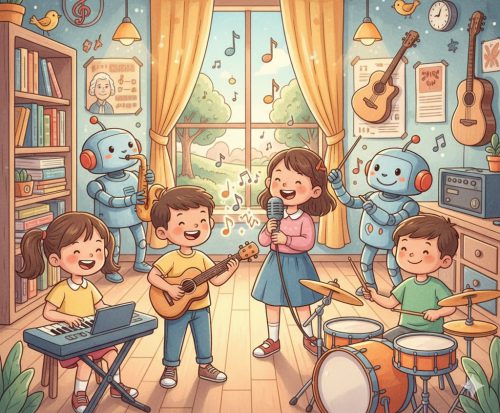
Music moves us—but for some people, it does much more than entertain. It shapes how they think, learn, communicate, and experience the world. This unique capacity is known as musical intelligence, one of the core components of Howard Gardner’s theory of Multiple Intelligences.
Whether you’re a parent wondering why your child taps rhythms on every surface, an educator seeking better learning strategies, or an adult rediscovering a love for music, understanding musical intelligence can unlock powerful insights.
- What musical intelligence really means
- The traits and characteristics of musically intelligent individuals
- The benefits of musical intelligence in learning and life
- Career paths linked to musical strengths
- Practical, research-informed ways to develop musical intelligence
- Answers to common questions
What Is Musical Intelligence?
Musical intelligence is the ability to perceive, create, reproduce, and reflect on music. It includes sensitivity to:
- Rhythm
- Pitch
- Tone
- Melody
- Harmony
- Timbre (tone color)
In Gardner’s Multiple Intelligences framework, musical intelligence stands alongside linguistic, logical-mathematical, spatial, bodily-kinesthetic, interpersonal, intrapersonal, and naturalistic intelligences.
People with strong musical intelligence often:
- Recognize melodies after hearing them once
- Detect when an instrument is out of tune
- Remember information better when it’s set to music
- Express emotion through rhythm and sound
Core Characteristics of Musical Intelligence
1. Heightened Sensitivity to Sound
Musically intelligent individuals notice subtle differences in tone, pitch, and rhythm.
2. Strong Auditory Memory
They can remember songs, jingles, or spoken phrases with remarkable clarity.
3. Natural Rhythm and Timing
Clapping in time, dancing instinctively, or keeping steady beats comes naturally.
4. Emotional Connection to Music
Music often becomes a primary way to process feelings or regulate mood.
5. Ability to Compose or Improvise
Even without formal training, they may create melodies or experiment with sound.
Signs of Musical Intelligence in Children
- Humming or singing frequently
- Memorizing lyrics quickly
- Responding strongly to different genres
- Using rhythm while studying
- Creating homemade instruments
Why Musical Intelligence Matters
Cognitive Benefits
- Improved memory retention
- Stronger pattern recognition
- Enhanced auditory processing
- Support for language development
- Better executive functioning skills
Emotional Benefits
- Healthy emotional expression
- Reduced stress and anxiety
- Encourages empathy
- Mood regulation
Social Benefits
- Collaboration
- Listening skills
- Shared responsibility
- Cultural appreciation
Musical Intelligence vs. Other Intelligences
| Intelligence Type | Primary Strength | Learning Preference | Example Careers |
|---|---|---|---|
| Musical Intelligence | Rhythm, pitch, melody | Auditory, sound-based | Composer, music teacher, sound engineer |
| Linguistic Intelligence | Words and language | Reading, writing, speaking | Writer, lawyer, journalist |
| Logical-Mathematical | Numbers and logic | Problem-solving, analysis | Engineer, scientist, analyst |
| Spatial Intelligence | Visual patterns | Images, design | Architect, graphic designer |
| Bodily-Kinesthetic | Movement | Hands-on activities | Athlete, dancer, surgeon |
Careers for People with Musical Intelligence
Traditional Music Careers
- Musician
- Composer
- Conductor
- Music Producer
- Audio Engineer
- Music Therapist
Media and Technology
- Sound Designer
- Film Score Composer
- Podcast Editor
- Game Audio Specialist
How to Develop Musical Intelligence
1. Active Listening Practice
Identify instruments, tempo changes, and harmonies while listening to music.
2. Learn a Musical Instrument
Start with beginner-friendly instruments such as piano, guitar, or ukulele.
3. Use Rhythm-Based Learning
Turn study notes into chants or use mnemonic songs.
4. Sing Regularly
Singing strengthens pitch accuracy and auditory memory.
5. Explore Music Theory Basics
Learn scales, chords, and musical structure.
6. Engage in Group Music Activities
Join a choir, band, or drumming group.
Musical Intelligence and Brain Science
Music activates multiple brain regions, including the auditory cortex, motor cortex, limbic system, and prefrontal cortex. Few activities stimulate as many brain areas simultaneously as music.
- Enhanced neural connectivity
- Improved working memory
- Faster auditory processing
Common Misconceptions About Musical Intelligence
You’re either born with it or you’re not.
Musical intelligence can be strengthened significantly through practice.
Musical intelligence only matters for musicians.
It enhances communication, memory, and creativity across professions.
If I can’t read sheet music, I’m not musically intelligent.
Many musically gifted individuals learn by ear.
Practical Weekly Plan to Build Musical Intelligence
- Monday: 15 minutes active listening
- Tuesday: Practice instrument (20 minutes)
- Wednesday: Learn basic music theory
- Thursday: Sing along to favorite song
- Friday: Explore new genre
- Saturday: Group music activity
- Sunday: Reflect on emotional impact of music
FAQs About Musical Intelligence
What is musical intelligence in simple terms?
The ability to understand, create, and appreciate rhythm, melody, and sound patterns.
Can musical intelligence improve academic performance?
Yes, music strengthens memory and pattern recognition.
How do I know if my child has musical intelligence?
Look for early interest in singing, rhythm, and quick memorization of songs.
Does musical intelligence help with language learning?
Yes, rhythm and sound awareness enhance pronunciation and listening comprehension.